1. Tagliatelle al ragù
This is one of the most important dishes to eat in Bologna. If many visitors think first of “spaghetti bolognese,” Bologna itself is much more likely to point you toward tagliatelle al ragù. The sauce is richer, slower, and more rooted in local tradition than the international version most travelers know.
What matters here is balance: fresh pasta with the right texture, a ragù that tastes developed rather than heavy, and a setting that does not feel rushed. If you want one classic meal in Bologna, this is a strong place to begin.
2. Tortellini
Tortellini is another essential Bologna dish. You may find it served in broth or prepared in other traditional ways depending on the season and the restaurant. What makes it memorable is not just the filling, but the craftsmanship. In Bologna, pasta is part of local identity, and tortellini carries a lot of that story.
When done well, it feels precise rather than showy. It is exactly the kind of food that can seem simple until a local explains why one version matters more than another.
3. Lasagna alla bolognese
Bologna is also closely associated with lasagna alla bolognese. This is not the oversized, overly rich version some travelers expect from outside Italy. In a good local version, the layers are balanced, the ragù has depth, and everything feels structured rather than messy.
It is a great order when you want something classic, satisfying, and strongly tied to the city’s food culture.
4. Mortadella
Mortadella is one of Bologna’s signature products and worth trying in a good-quality local version. Many visitors know the name, but eating it in Bologna gives it a very different reputation. It is part of the city’s food identity, and it works especially well as a tasting, aperitivo snack, or market stop rather than only a formal restaurant course.
If you visit a market or food shop, this is one of the easiest things to try while getting a feel for local everyday food culture.
5. Tigelle and other small local bites
Tigelle are one of the enjoyable things to eat in Bologna when you want something informal and social. They are often part of a more relaxed eating style, especially when shared. They may not have the same instant fame as pasta dishes, but they help round out the local picture and give you a sense of how people gather and snack.
These kinds of foods are often where a guided experience becomes especially useful, because they are easier to miss if you only search for the biggest-name dishes.
6. Market food and local specialties
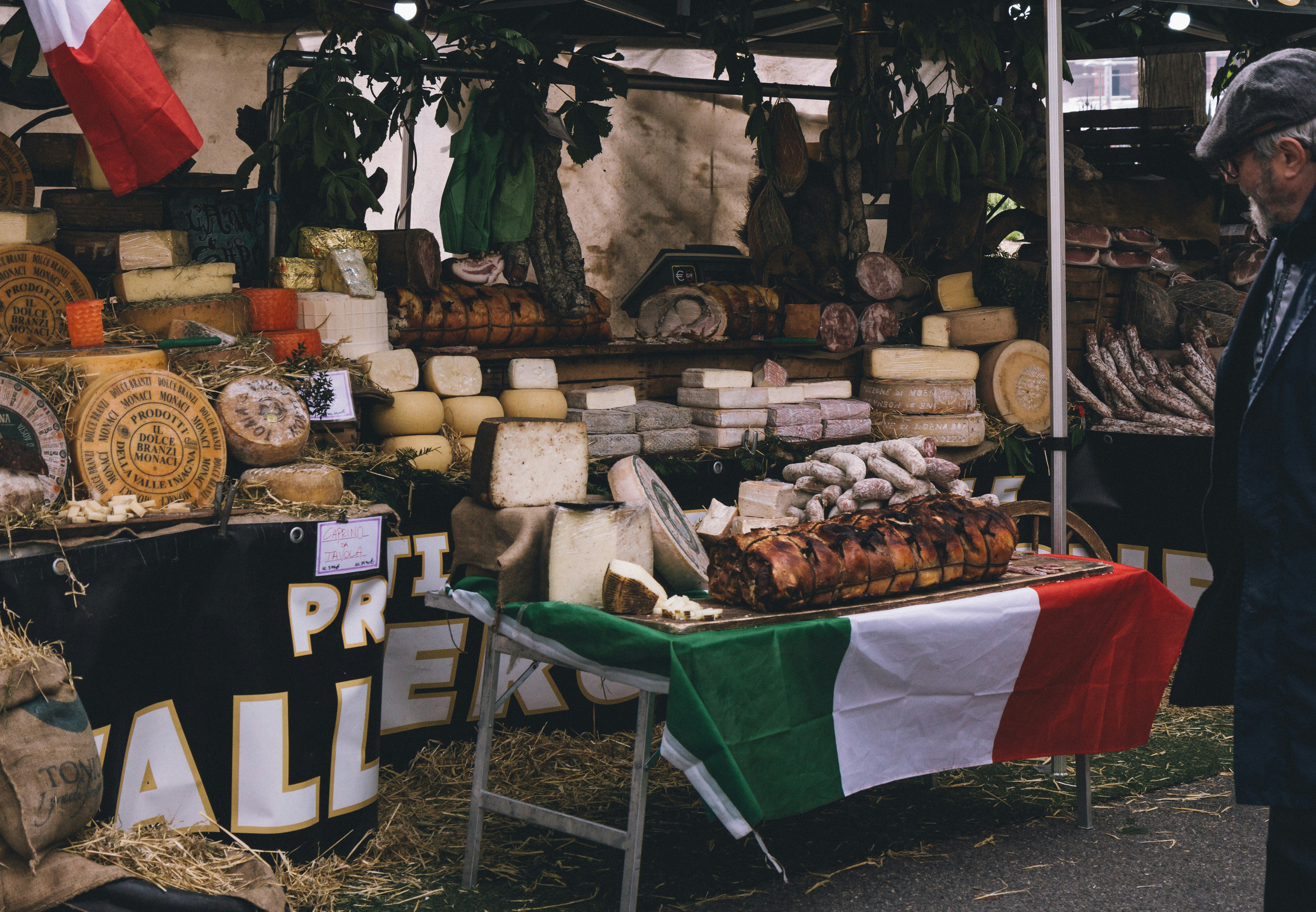
One of the best food experiences in Bologna is not a single dish but the atmosphere of the city’s food markets. Places like Mercato delle Erbe help you understand what people actually eat, how ingredients appear in daily life, and what makes Emilia-Romagna so strong as a food region.
A market visit gives you a broader understanding of the city than restaurant meals alone. You see local ingredients, everyday products, and the rhythm of food culture beyond menus.
7. What to eat first if you only have one day
If you only have a day in Bologna, a good order is:
- Start with a market stop to understand the city’s food culture.
- Try mortadella or another local tasting early in the day.
- Choose one major pasta dish, usually tagliatelle al ragù or tortellini.
- Leave room for smaller bites rather than one oversized meal.
- Finish with aperitivo or a local recommendation rather than guessing at random.
Good to know
Bologna rewards pacing. It is better to try several strong local foods over the course of a day than to overload one lunch or dinner and miss the variety that makes the city special.
8. Where a guided food tour helps
Bologna is very walkable, and you can absolutely eat well on your own. But a guided food tour helps in a few important ways: it saves time, gives context, reduces guesswork, and helps you understand what is actually local rather than just convenient. It also helps you connect dishes to neighborhoods, markets, and stories, which makes the experience more memorable.
For many first-time visitors, that combination is what turns Bologna from a place with good meals into a city they really understand.